

Sustainable Tuna Fishing: A Path to Protecting Oceans and Securing Our Future
Tuna is one of the most popular seafoods in the world. Whether fresh, frozen, or canned, it has a special place on dining tables across the globe. However, the growing demand for tuna has placed heavy pressure on natural stocks in recent decades. Overfishing not only threatens tuna populations but also disrupts the lives of countless other marine species such as dolphins, sea turtles, and even seabirds.
This is where the concept of sustainable fishing comes in—a responsible approach that allows us to enjoy seafood while preserving the delicate balance of marine ecosystems
Why Is Sustainable Fishing So Important?
- Preventing species decline: Some tuna species, such as Bluefin, are at risk of extinction due to overfishing.
- Protecting marine ecosystems: Removing too many fish disrupts the entire food chain in the ocean.
- Ensuring the future of fisheries: Millions of people depend on tuna fishing for their livelihood. Without sustainability, this industry is at risk.
- Empowering consumers: By choosing sustainably caught tuna, buyers directly support responsible fisheries.
Main Sustainable Tuna Fishing Methods
1. Pole & Line
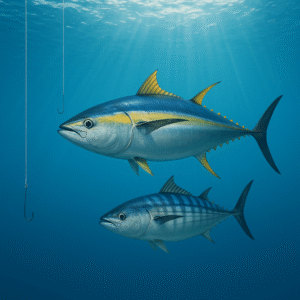
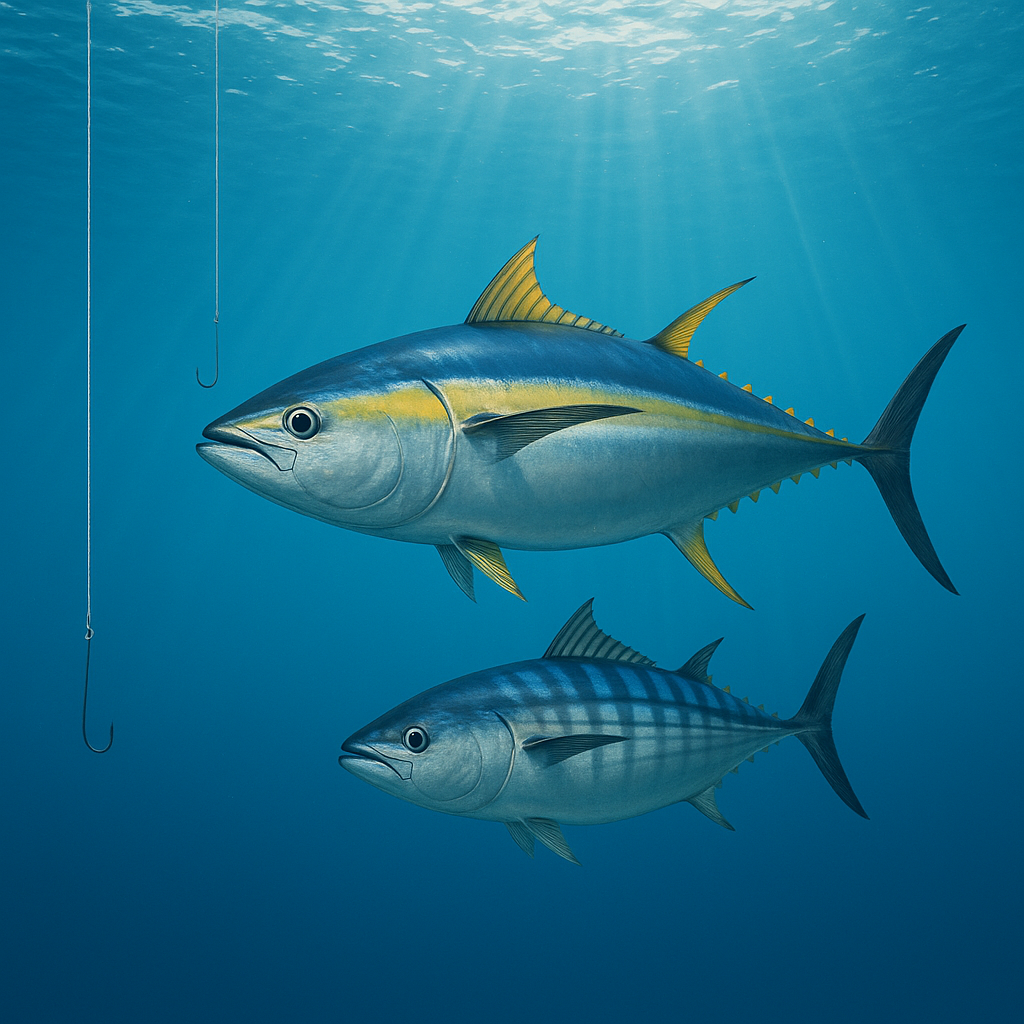
One of the oldest and most responsible fishing methods. Fishermen use a single pole and hook to catch tuna one by one.
- Advantage: Virtually no bycatch of non-target species.
- Commonly used for: Skipjack Tuna.
2. Handline
This simple method uses a fishing line and hook. Each fish is caught individually, ensuring selective fishing.
- Minimal environmental impact.
- Ideal for small fishing communities.
3. Trolling
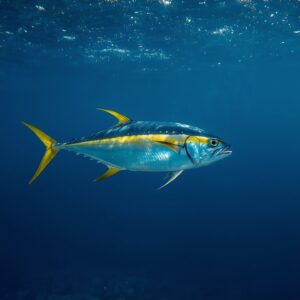
Hooks are dragged behind a moving boat, attracting tuna that swim near the surface. This technique is especially effective for larger species like Yellowfin Tuna.
- Better control over fish size and type.
- Very low bycatch rates.
4. FAD-Free Purse Seine
In industrial fishing, Fish Aggregating Devices (FADs) are often used to attract large schools of tuna, but they also trap unwanted species such as sharks and turtles.
The sustainable alternative is FAD-free purse seining, where fishermen target tuna schools without using artificial attractors.
Certifications and Eco-Labels to Look For
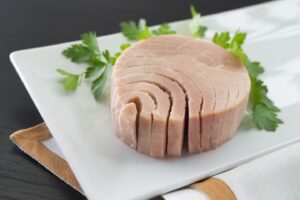
When purchasing canned tuna, eco-labels are your guide to sustainability. Some of the most trusted certifications include:
- MSC (Marine Stewardship Council): The leading global certification for sustainable fisheries.
- Friend of the Sea: An international standard for eco-friendly seafood.
- Dolphin Safe: Guarantees that no dolphins were harmed during the fishing process.
Conclusion
Sustainable tuna fishing is not just an environmental slogan—it is essential for the future of our oceans and global food security. By choosing tuna products that carry credible sustainability labels, we can enjoy the taste and health benefits of tuna while playing our part in conserving marine resources for generations to come.